Buy t3chno.net ?
We are moving the project
t3chno.net .
Are you interested in purchasing the domain
t3chno.net ?
domain@kv-gmbh.de · 0541-91531010
Buy t3chno.net ?
Why are demonstrative pronouns called demonstrative pronouns?
Demonstrative pronouns are called demonstrative because they demonstrate or point to a specific noun or pronoun in a sentence. They help to indicate the position or location of the noun or pronoun in relation to the speaker or listener. By using demonstrative pronouns such as "this," "that," "these," and "those," speakers can make their communication more precise and clear by specifying which person, place, thing, or idea they are referring to. **
What are demonstrative pronouns and relative pronouns?
Demonstrative pronouns are pronouns that are used to point to specific things or people. Examples of demonstrative pronouns include "this," "that," "these," and "those." Relative pronouns are pronouns that introduce dependent clauses and connect them to independent clauses. Examples of relative pronouns include "who," "whom," "whose," "which," and "that." **


Similar search terms for Pronouns
Top-Angebote
Products related to Pronouns:
-
Combo Retail Shop Electricity Woodworking Cutting Machine Edge Guide, Adjustable Board Circular Saw Holder, Cutting Rail Milling Quick Electricity Woodworking Cutting Machine Edge Guide, Adjustable Board Circular Saw Holder, Cutting Rail Milling QuickThe Electricity Woodworking Cutting Machine Edge Guide is an essential tool for any woodworking enthusiast or professional. Designed to deliver quick positioning and unmatched precision, this adjustable board circular saw holder offers a stable...99,97 $*Shipping: 0,00 $Secure redirect to the provider
-
Uplift Picks Futuristic LED Flip Page Desk Clock With Luminous Digital Display led DisplayGive your desk a futuristic focal point with this LED flip page clock that blends a classic pageturning concept with modern luminous styling. Its large digitalstyle numbers make the time easy to read, while the illuminated effect adds atmosphere to...321,98 $*Shipping: 0,00 $Secure redirect to the provider
-
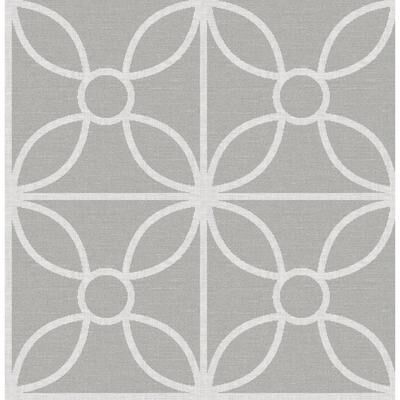
A-Street Prints Savvy Grey Geometric WallpaperLiven up your walls with this chic tile wallpaper. The large scale print creates a dramatic effect while the neutral grey color scheme maintains a sleek design. A textured ink creates the pattern on this design with a tactile finish.25,36 $*Shipping: 0,00 $Secure redirect to the provider
-
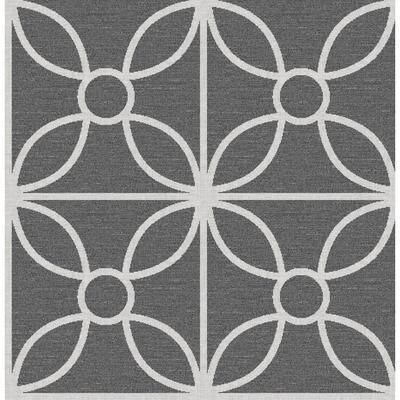
A-Street Prints Savvy Black Geometric WallpaperThis wallpaper is a modern take on a classic floral tile. The geometric design pops with a light grey background and a charcoal black print. Raised inks create a tactile dimension on this large scale design.28,49 $*Shipping: 0,00 $Secure redirect to the provider


-
With which pronouns do many people confuse reflexive pronouns?
Many people confuse reflexive pronouns with personal pronouns. For example, they may use "myself" or "yourself" instead of "me" or "you" in a sentence. This confusion often occurs when people are trying to emphasize the subject of the sentence, but they mistakenly use a reflexive pronoun instead of a personal pronoun. It's important to understand the difference between reflexive and personal pronouns in order to use them correctly in sentences. **
-
What are pronouns?
Pronouns are words that are used in place of nouns to avoid repetition in a sentence. They can refer to people, places, things, or ideas. Pronouns help make sentences clearer and more concise by replacing specific nouns with general words like "he," "she," "it," "they," and "we." Using pronouns also helps to maintain the flow of writing and make it more engaging for the reader. **
-
What is the difference between personal pronouns and reflexive pronouns?
Personal pronouns are used to refer to people or things, such as "I," "you," "he," "she," "it," "we," and "they." Reflexive pronouns, on the other hand, are used when the subject and object of a sentence are the same person or thing, such as "myself," "yourself," "himself," "herself," "itself," "ourselves," and "themselves." Reflexive pronouns are used to reflect the action back onto the subject, while personal pronouns simply refer to the subject or object. **
-
What is the difference between relative pronouns and interrogative pronouns?
Relative pronouns are used to connect a dependent clause to an independent clause, providing more information about a noun in the independent clause. They include words like "who," "which," and "that." Interrogative pronouns, on the other hand, are used to ask questions and gather information. They include words like "who," "what," "which," "whom," and "whose." The main difference between the two is their function in a sentence - relative pronouns connect clauses, while interrogative pronouns are used to ask questions. **


Which pronouns do many people often confuse with reflexive pronouns?
Many people often confuse reflexive pronouns with intensive pronouns. Intensive pronouns are used to emphasize a preceding noun or pronoun, while reflexive pronouns are used when the subject and object of a sentence are the same. For example, "I myself will do it" uses an intensive pronoun, while "I hurt myself" uses a reflexive pronoun. It is important to understand the distinction between these two types of pronouns to use them correctly in sentences. **
Can you help me with personal pronouns and possessive pronouns?
Certainly! Personal pronouns are used to replace nouns in a sentence, such as "I", "you", "he", "she", "it", "we", and "they". Possessive pronouns show ownership or possession, such as "mine", "yours", "his", "hers", "ours", and "theirs". If you need help understanding how to use these pronouns in a sentence or identifying which pronoun to use in a specific context, feel free to ask for more guidance. **
Top-Angebote
Products related to Pronouns:
-
Uplift Treasures Cutting Machine Edge Guide aProduct Description Achieve precise and safe cuts with this stainless steel cutting machine edge guide. Designed for woodworking tasks, it helps position and stabilize materials for accurate cutting, making it an essential accessory for table saws...185,97 $*Shipping: 0,00 $Secure redirect to the provider
-
Drop Dash Deals Circular Saw Guide Rail Rip Cut Edge Cutting System Circular Saw Guide Rail Rip Cut Edge Cutting SystemCut cleaner, straighter lines with less guesswork. This 1 pc of circular saw guide rail helps DIYers, woodworkers, and home repair users keep small saw cuts steady, accurate, and easier to control. Designed for 4inch approx saws, it works as a...159,97 $*Shipping: 0,00 $Secure redirect to the provider
-
Combo Retail Shop Electricity Woodworking Cutting Machine Edge Guide, Adjustable Board Circular Saw Holder, Cutting Rail Milling Quick Electricity Woodworking Cutting Machine Edge Guide, Adjustable Board Circular Saw Holder, Cutting Rail Milling QuickThe Electricity Woodworking Cutting Machine Edge Guide is an essential tool for any woodworking enthusiast or professional. Designed to deliver quick positioning and unmatched precision, this adjustable board circular saw holder offers a stable...99,97 $*Shipping: 0,00 $Secure redirect to the provider
-
Uplift Picks Futuristic LED Flip Page Desk Clock With Luminous Digital Display led DisplayGive your desk a futuristic focal point with this LED flip page clock that blends a classic pageturning concept with modern luminous styling. Its large digitalstyle numbers make the time easy to read, while the illuminated effect adds atmosphere to...321,98 $*Shipping: 0,00 $Secure redirect to the provider
-
Why are demonstrative pronouns called demonstrative pronouns?
Demonstrative pronouns are called demonstrative because they demonstrate or point to a specific noun or pronoun in a sentence. They help to indicate the position or location of the noun or pronoun in relation to the speaker or listener. By using demonstrative pronouns such as "this," "that," "these," and "those," speakers can make their communication more precise and clear by specifying which person, place, thing, or idea they are referring to. **
-
What are demonstrative pronouns and relative pronouns?
Demonstrative pronouns are pronouns that are used to point to specific things or people. Examples of demonstrative pronouns include "this," "that," "these," and "those." Relative pronouns are pronouns that introduce dependent clauses and connect them to independent clauses. Examples of relative pronouns include "who," "whom," "whose," "which," and "that." **
-
With which pronouns do many people confuse reflexive pronouns?
Many people confuse reflexive pronouns with personal pronouns. For example, they may use "myself" or "yourself" instead of "me" or "you" in a sentence. This confusion often occurs when people are trying to emphasize the subject of the sentence, but they mistakenly use a reflexive pronoun instead of a personal pronoun. It's important to understand the difference between reflexive and personal pronouns in order to use them correctly in sentences. **
-
What are pronouns?
Pronouns are words that are used in place of nouns to avoid repetition in a sentence. They can refer to people, places, things, or ideas. Pronouns help make sentences clearer and more concise by replacing specific nouns with general words like "he," "she," "it," "they," and "we." Using pronouns also helps to maintain the flow of writing and make it more engaging for the reader. **
Similar search terms for Pronouns
-
A-Street Prints Savvy Grey Geometric WallpaperLiven up your walls with this chic tile wallpaper. The large scale print creates a dramatic effect while the neutral grey color scheme maintains a sleek design. A textured ink creates the pattern on this design with a tactile finish.25,36 $*Shipping: 0,00 $Secure redirect to the provider
-
A-Street Prints Savvy Black Geometric WallpaperThis wallpaper is a modern take on a classic floral tile. The geometric design pops with a light grey background and a charcoal black print. Raised inks create a tactile dimension on this large scale design.28,49 $*Shipping: 0,00 $Secure redirect to the provider
-
Friendly Fresh Finds Flexible Saw For Woodworking Edge Tooth Pull Saw, Fine Cutting Tool Flexible Saw For Woodworking Edge Tooth Pull Saw, Fine Cutting ToolAchieve precision in your woodworking projects with the Ryoba Japanese Saw. Designed for fine cutting, this flexible flush cut hand saw offers the ultimate control for intricate cuts. Ideal for professionals and DIY enthusiasts, this tool boasts a...59,97 $*Shipping: 0,00 $Secure redirect to the provider
-
Uplift Treasures Cutting Machine Edge Guide bProduct Description Achieve precise and safe cuts with this stainless steel cutting machine edge guide. Designed for woodworking tasks, it helps position and stabilize materials for accurate cutting, making it an essential accessory for table saws...199,97 $*Shipping: 0,00 $Secure redirect to the provider
-
What is the difference between personal pronouns and reflexive pronouns?
Personal pronouns are used to refer to people or things, such as "I," "you," "he," "she," "it," "we," and "they." Reflexive pronouns, on the other hand, are used when the subject and object of a sentence are the same person or thing, such as "myself," "yourself," "himself," "herself," "itself," "ourselves," and "themselves." Reflexive pronouns are used to reflect the action back onto the subject, while personal pronouns simply refer to the subject or object. **
-
What is the difference between relative pronouns and interrogative pronouns?
Relative pronouns are used to connect a dependent clause to an independent clause, providing more information about a noun in the independent clause. They include words like "who," "which," and "that." Interrogative pronouns, on the other hand, are used to ask questions and gather information. They include words like "who," "what," "which," "whom," and "whose." The main difference between the two is their function in a sentence - relative pronouns connect clauses, while interrogative pronouns are used to ask questions. **
-
Which pronouns do many people often confuse with reflexive pronouns?
Many people often confuse reflexive pronouns with intensive pronouns. Intensive pronouns are used to emphasize a preceding noun or pronoun, while reflexive pronouns are used when the subject and object of a sentence are the same. For example, "I myself will do it" uses an intensive pronoun, while "I hurt myself" uses a reflexive pronoun. It is important to understand the distinction between these two types of pronouns to use them correctly in sentences. **
-
Can you help me with personal pronouns and possessive pronouns?
Certainly! Personal pronouns are used to replace nouns in a sentence, such as "I", "you", "he", "she", "it", "we", and "they". Possessive pronouns show ownership or possession, such as "mine", "yours", "his", "hers", "ours", and "theirs". If you need help understanding how to use these pronouns in a sentence or identifying which pronoun to use in a specific context, feel free to ask for more guidance. **
* All prices are inclusive of VAT and, if applicable, plus shipping costs. The offer information is based on the details provided by the respective shop and is updated through automated processes. Real-time updates do not occur, so deviations can occur in individual cases. ** Note: Parts of this content were created by AI.